
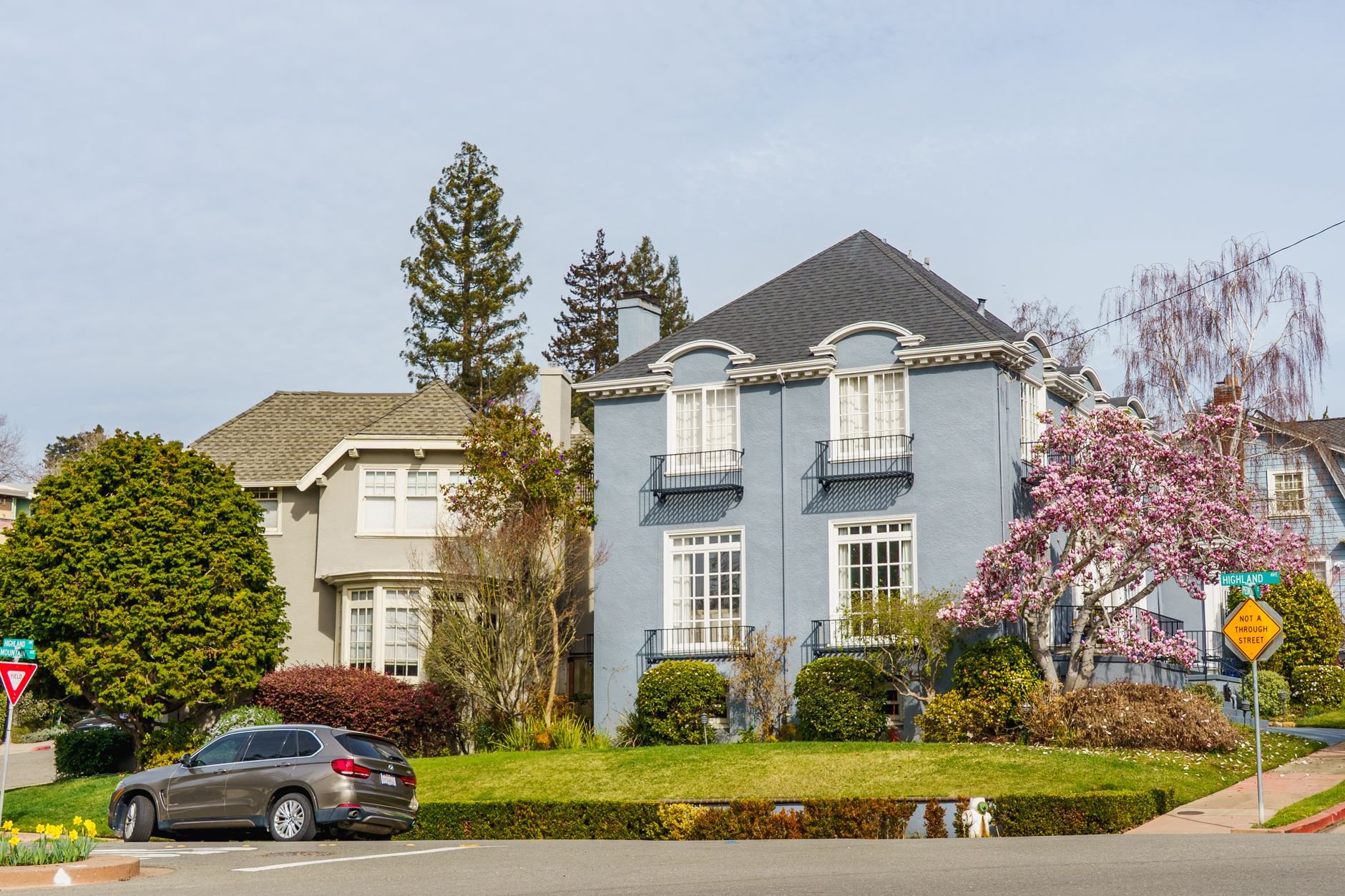
The board owns more of each chimney than most owners think
Plan a community visit
Name the community, the fireplace count and the manager to reach. We call back to plan the day.
Where the board's share begins
Start with the CC&Rs, or let us work from the maintenance chart your manager keeps. In a typical condo or townhouse community the firebox, glass doors, mantel and surround go with the unit. The flue above the ceiling, the chase or brick stack, the cap, the crown and the roof metal usually sit with the association, because they pass through common roof and walls.
That split matters when something fails. A rusted chase top that lets rain into two units is a board item. A surround an owner tiled too close to the opening is an owner item. Our report marks which side each finding falls on, using the split your documents set, so the manager does not have to sort it afterwards.
One visit across the community
We plan the day around buildings rather than units. Roof work, caps, crowns and chase tops, is done building by building. Inside, each fireplace unit needs to be open, so the manager sends the entry notice and we follow a list of unit numbers and times.
Shared chimneys get extra attention. Where two or three units vent through one stack, a fault in one flue can show up as smoke or an odor next door, and the board is often the only party that can approve work on the whole stack.
- A dated record per fireplace, with photos
- Board items and owner items marked apart
- A one-page building summary for the next meeting
- Listed prices for common fixes, written quotes for the rest
Records a board can file
Boards turn over and managers change, and the next one always asks what was done to the chimneys and when. Each report carries the date, the building, the unit, what we saw and what we recommend, with photos. Keep them in the association file beside the roof and reserve study papers. When an insurer or a lender asks about fireplaces, the answer is already in a folder.
Per-fireplace pricing
Boards budget by the unit, so we price by the fireplace. A community with fourteen wood-burning fireplaces is fourteen Level 1 checks on a single visit.
- Each fireplace, visual chimney check (Level 1)
- $58
- Camera run on a shared or suspect flue (Level 2)
- $415
- Sweeping one unit's flue
- from $445
Repairs to common stacks, crowns and chase tops are priced per building, in writing, after the visit.
Board and manager questions
Does every owner have to agree to the visit?
The board sets inspection of the common parts. Entry to each unit follows your usual notice rules. Units we cannot reach are listed so the manager can rebook them.
What does the board actually receive?
A short building summary sized for a board packet, with the full unit reports behind it. A manager can read the summary into the minutes and file the rest.
Many of our units have gas fireplaces. Are those covered?
Yes, on the same visit. We look at the vent top on the roof, the glass front and the burner area. Gas repairs are priced separately.
An owner wants to remodel their fireplace. Should the board care?
Yes, if the change touches the flue or the roof. A new insert needs a liner sized for it, and that liner runs up the shared stack. We can look over an owner's plan and tell the board what it means for the common parts.
How often should a board book this?
NFPA 211 calls for a yearly inspection of chimneys, fireplaces and vents. Many boards book before the rainy season so roof items can be fixed while the weather is dry.
Give the board a clear chimney file
Send the community name, the fireplace count and your manager's details through the contact page, and we will call back to plan the visit.
Call (626) 557-0220