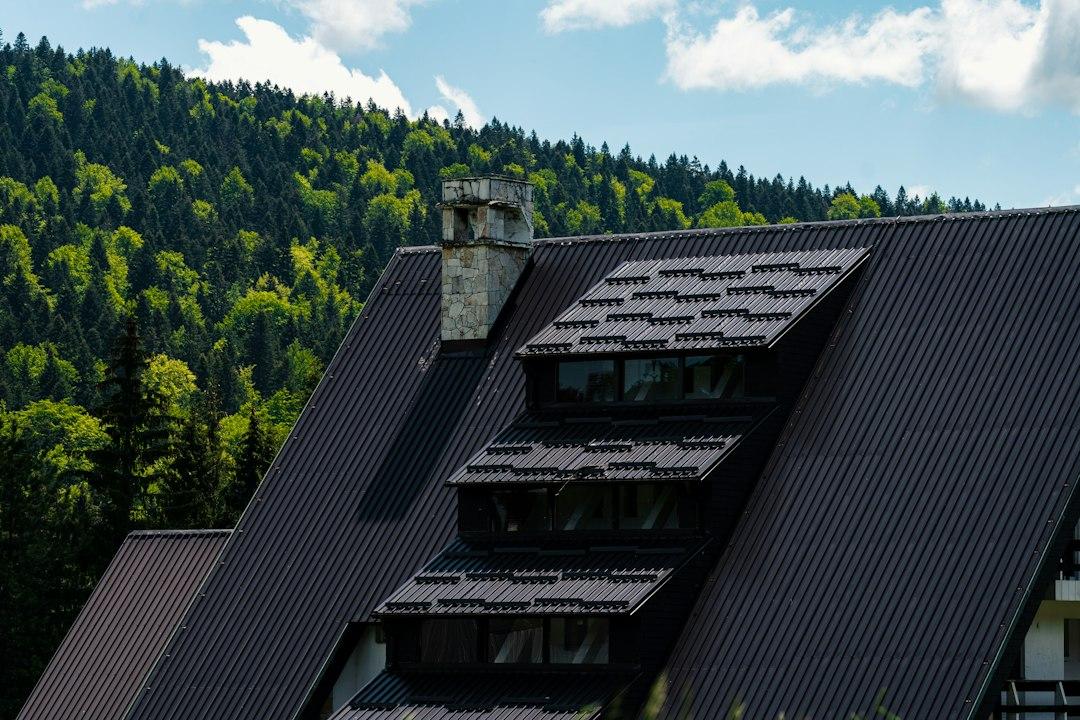
The heaviest thing on the roof
Duarte sits at the foot of the San Gabriel Mountains, in a valley crossed by active faults. The 1987 Whittier Narrows and 1991 Sierra Madre quakes were both felt hard in this corner of the county, and the 1994 quake cracked chimneys well beyond the San Fernando Valley. In every one of them, unreinforced brick chimneys were among the first parts of a house to crack or fall.
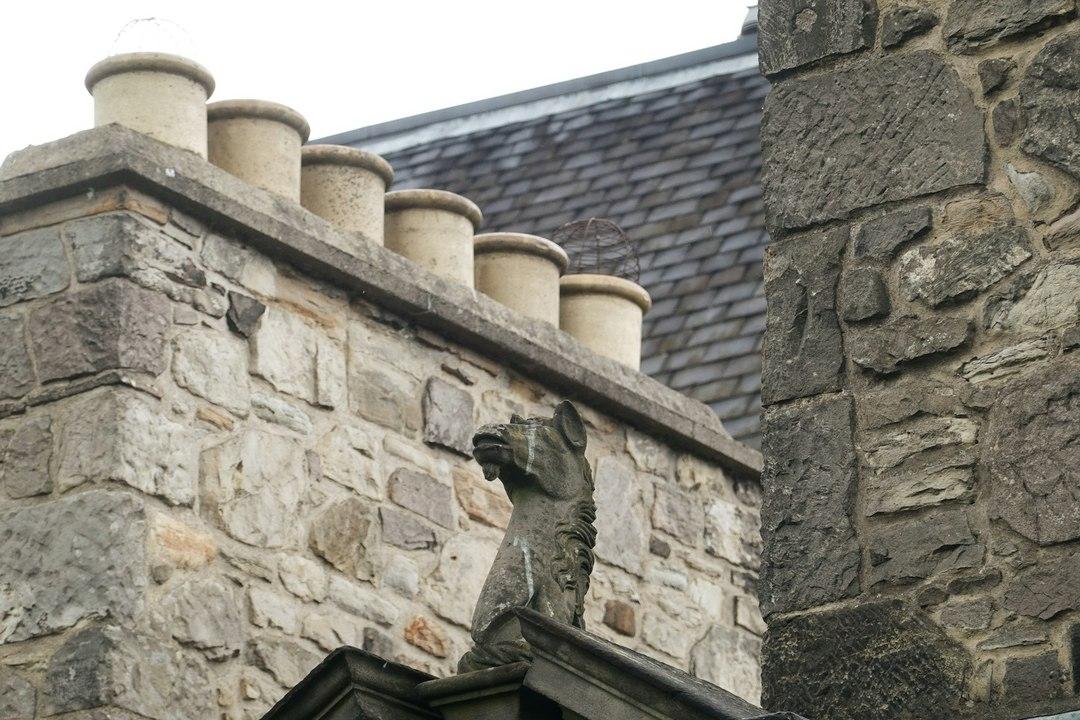
The reason is shape. A brick chimney is tall, heavy and fixed to the frame at only a few points. When the ground shakes, the wood house flexes and the stiff brick column does not, so the two work against each other. The section above the roof has nothing holding it sideways, and that is where mortar breaks, bricks shift and crowns split.
If you own a brick chimney on an older house in Duarte, Arcadia, Glendora or El Monte, there are three broad ways to make it safer. Each one also changes something about the fireplace in the room, which is where our remodel work comes in.
Choice one: brace the chimney
Bracing ties the chimney to the house so they move together. Steel straps or angle brackets are fixed around the brick and bolted into the roof and ceiling framing at set points. Above the roof, a brace may run from the stack down to the roof structure.
Bracing suits a chimney that is still in decent shape: mortar holding, no wide cracks, crown intact. It keeps the chimney in use, wood or gas, and keeps its look from the street. It does not repair damage that is already there, so a cracked stack is usually repaired before it is braced.
For the fireplace inside, bracing changes nothing you see. Your surround, mantel and hearth stay as they are.
Choice two: take it down to the roofline
The part of the chimney above the roof does most of the falling in a strong quake. Taking that section down removes the weight where it is most likely to come loose. The top is then closed off, or carries on as a light framed chase with a metal flue inside it, sided in stucco or stone veneer to match the house.
This route often pairs with a fuel change. If you no longer burn wood, a gas insert with its own vent pipe can run up through the lowered chimney and the new chase. The open wood fire is gone, but the room gains a warmer, cleaner fireplace, and the brick that remains is shorter and steadier.
For the fireplace inside, this is often the moment to reface. A new insert front invites a new face around it, and many owners take it.
Choice three: rebuild
Where the brick has cracked through, the mortar has turned to sand, or the stack has shifted on its base, bracing would only hold damaged masonry in place. Rebuilding takes the chimney down to solid courses and builds it back, with steel reinforcing set into the new brickwork and a new crown on top. Another version replaces the old masonry above the firebox with a framed chase and a metal flue, finished to match the house.
A rebuild costs the most of the three, and it is also the one that leaves you with a chimney you no longer have to think about. For the fireplace, a full rebuild down to the firebox can mean a new opening, a new face and a new hearth all at once, which is the closest thing we do to starting the fireplace over.
Comparing the three
- Bracing: keeps the chimney as it is, suits sound brick, the lowest cost and the least change
- Lowering to the roofline: removes the riskiest section, often paired with a gas insert, a middle cost
- Rebuilding: answers serious damage, the highest cost, often paired with a full remodel of the fireplace
What sets the price
None of these has a published figure with us. The price comes from what we find: how tall the stack is above and below the roof, how many flues run through it, how sound the brick and mortar are, how steep the roof is, and what finish you want where the chimney shows. A short stack with one flue on a low roof is one job; a tall two-flue chimney on a steep tile roof is another.
So the first step is the camera and the roof. Our Level 2 inspection, $415, looks at the flue from inside, the brick and crown from the roof, and the attic framing around the stack. The written quote that follows lays the realistic choices for your chimney side by side, with what each costs and what each does to the fireplace.
Request a Level 2 and a written retrofit quote
Use the form to tell us roughly when the house was built and whether you still burn wood. We call back to set the visit.
Things we do not promise
We do not quote code sections or rebate programs in a blog post. Some cities ask for a permit on structural chimney work, and we tell you on the quote when your job is the kind that usually needs one. Rules and programs change, so confirm with your city before you count on them.
Next
The seismic retrofit page covers the work in more detail, and the chimney rebuilds page explains full rebuilds. If a lower chimney and a gas insert sound right, read gas insert cost in Duarte.
When you want the choices priced for your own chimney, the contact page is where to start.
Planning a Remodel Like This One?
Sweeney Chimney Group works from Duarte across the foothill and valley cities nearby. We measure the opening, check the flue, then draw the new face and price it line by line.