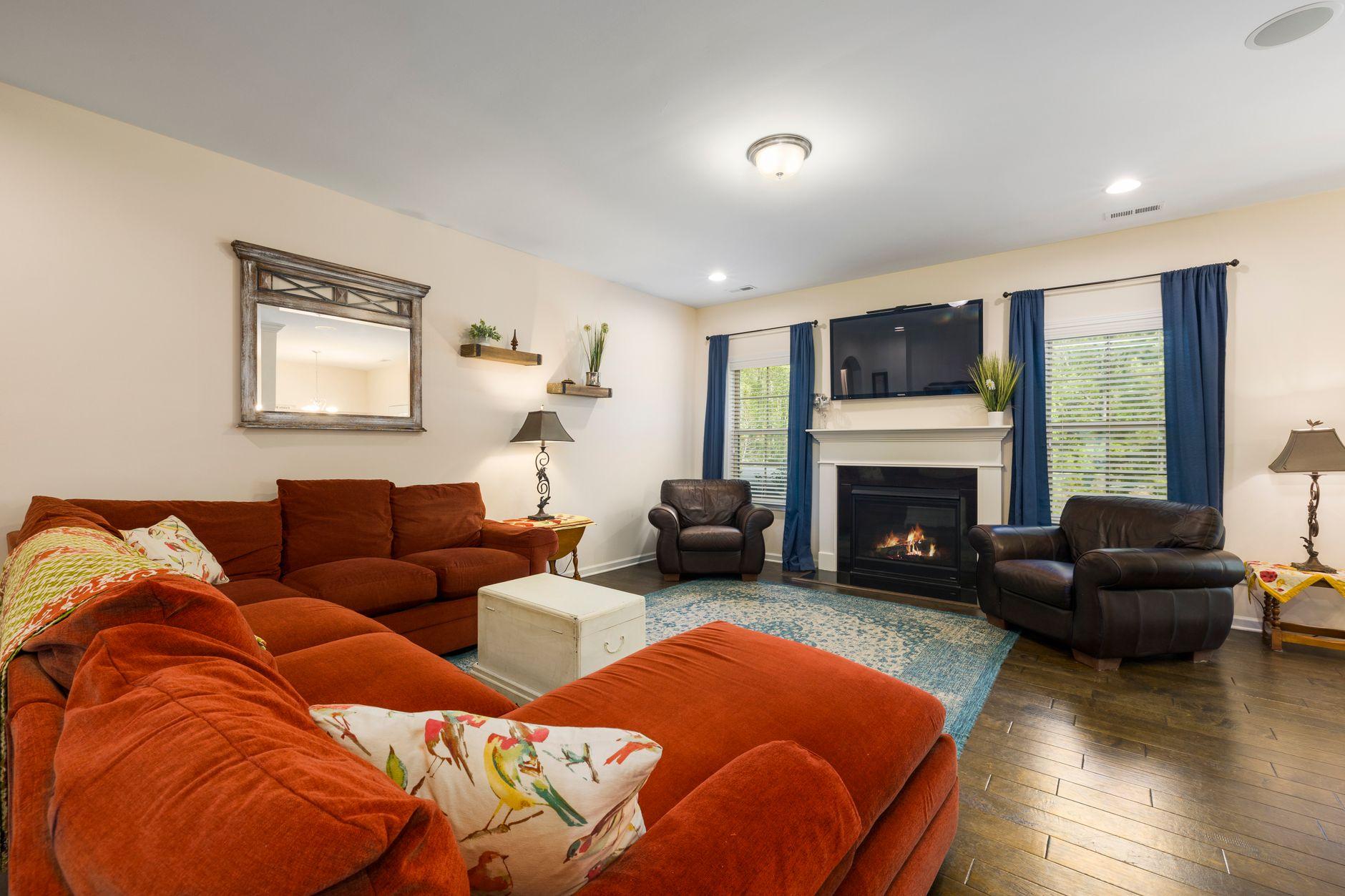
The hidden half of every insert
When you choose an insert, you see the front: the glass, the frame, the flame. The part that keeps it safe sits behind the wall. A liner is a metal pipe that runs from the top of the insert up the inside of the old chimney to a cap on top. Exhaust travels through the pipe instead of through the clay tile and brick around it. In Duarte, nearly every insert we fit has one.
Why the old flue falls short
A masonry chimney built for an open fire has a flue sized for that fire: wide, tall and meant to swallow a lot of air. An insert burns in a smaller, sealed box and sends far less up the chimney. Put that thin, cooler stream into a big flue and it slows, cools and leaves deposits behind. With gas, that means water collecting on the tile. With wood, it means creosote building fast.
A liner sized to the insert keeps the exhaust moving at the pace its maker designed for. It also bridges any cracks in the old tile, since the exhaust never touches the clay. Insert makers spell out the liner in their installation instructions, and we fit to those instructions.
Gas, wood and pellet liners
- A gas insert uses two pipes, or one pipe inside another: one carries exhaust out, the other brings fresh air down to the burner
- A wood insert uses a single stainless pipe, often wrapped in insulation, sized to the insert's outlet
- A pellet insert uses a smaller stainless pipe, sometimes with a short rigid section where it leaves the unit
Each is matched to the unit. The insert model sets the diameter; the chimney sets the length and the route.
What decides the liner price
We do not publish a figure for a liner on its own, since the chimney decides most of it:
- The height from the firebox to the top of the chimney
- Whether the flue runs straight or has an offset the pipe must bend around
- The inside size of the clay tile, which decides whether the pipe and any wrap slide in, or whether tile must be broken out first
- The top plate and cap needed to seal the old flue
- Whether the pipe needs an insulation wrap
A straight, single-storey flue with room to spare is the simple case. A two-storey stone chimney with an offset and tight tile is the hard one. So the liner goes on paper after the camera run, as its own line on the insert quote. For gas inserts the venting sits inside our installed range of $2,950 to $5,950 on most chimneys, and the quote says plainly if your flue needs anything beyond it.
Ask for an insert quote with the liner on its own line
On the form, mention the insert or fuel you have in mind and whether the house is one storey or two. We call back to set the camera visit.
A liner with no insert
Sometimes the camera finds broken tile in a fireplace the owner wants to keep open, for the crackle and smell of a wood fire. A liner can still go in, sized for the open opening, so the fireplace stays usable. It is a larger pipe and a different job, and we price it the same way. Our liner installation page covers both cases.
How the liner affects the look
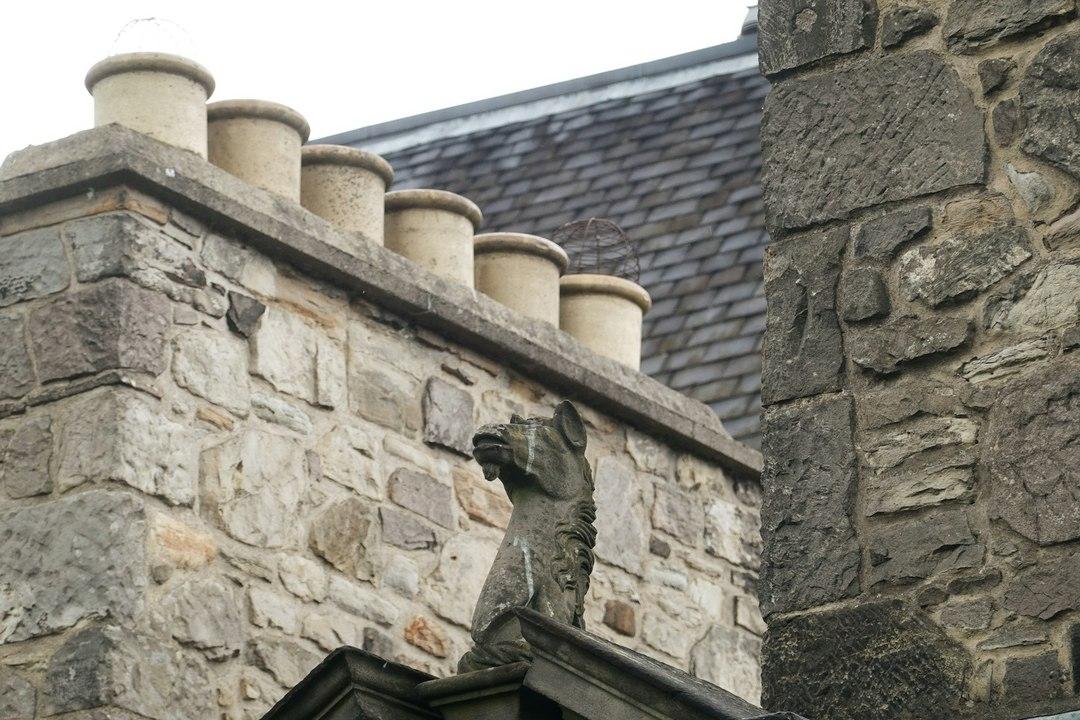
A liner is invisible from the sofa, but it shapes two things you do see. First, the top of the chimney: the liner ends in a plate and a cap, and we pick a cap that sits low and plain against the roofline rather than a tall, shiny one. Second, the insert's position: the outlet on top of the unit has to meet the pipe, which sets how far forward the insert sits and so how much of the surround the trim panel covers. We work that out before the face is chosen, one more reason we price the insert, liner and surround on one quote.
When a liner is not the whole answer
A liner fixes a flue problem. It does not fix a chimney problem. If the crown is cracked, the cap missing or the top courses of brick rock under a hand, those come first, or the liner's top plate ends up sitting on a failing base. We list them on the quote with prices where we publish them: stopping a leak at the roof runs $595 to $3,550. A cap is quoted after we measure.
Older chimneys around Duarte
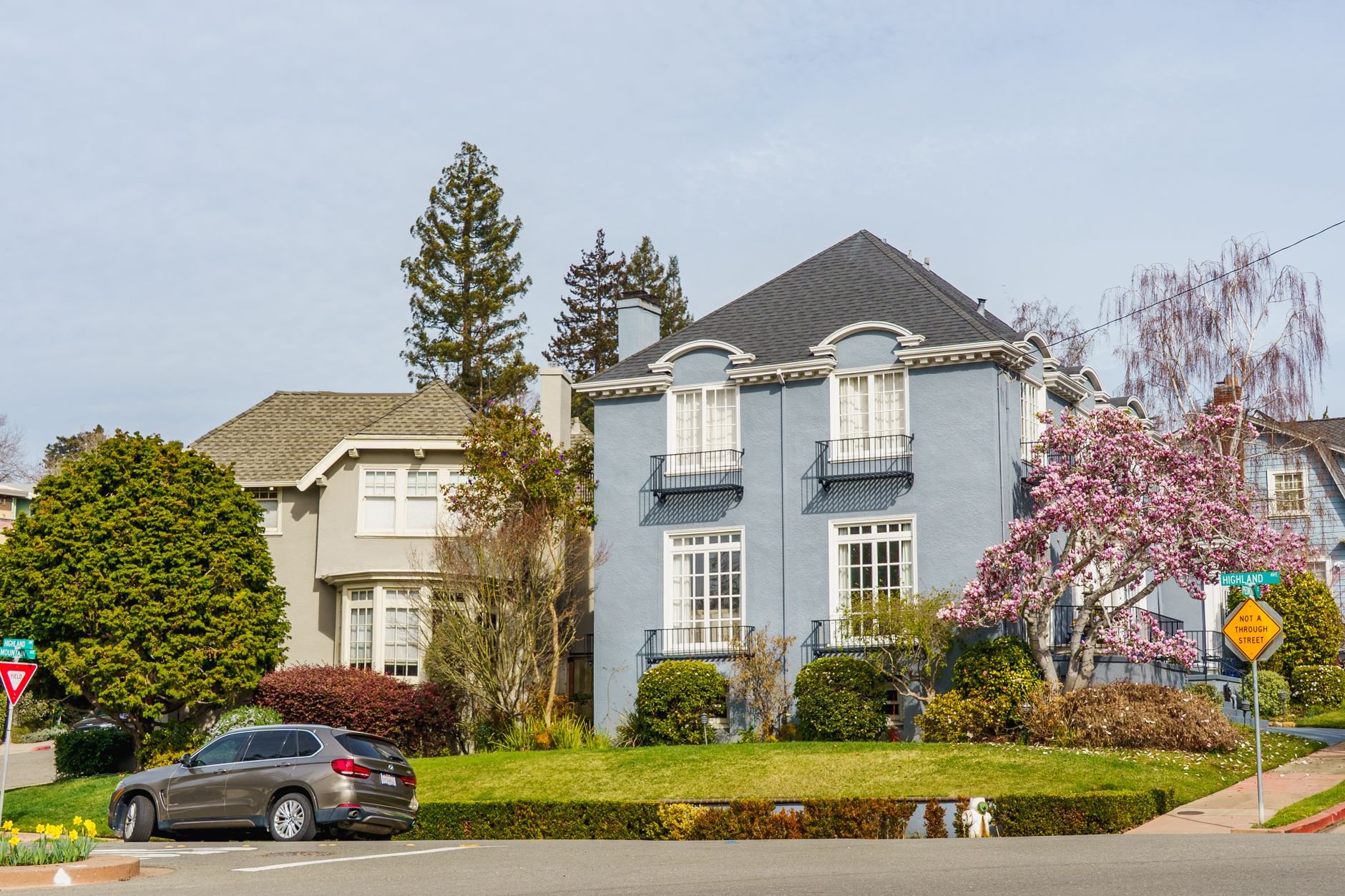
Many houses in Duarte, Arcadia and Glendora have brick chimneys with clay tile set decades ago, and the shaking from past quakes in the San Gabriel Valley has loosened plenty of it. The camera often finds a tile that has slipped a little at a joint, or a gap where mortar has fallen out. With a liner going in, those faults stop mattering for the exhaust, though we still record them in the report.
Where to go next
The fireplace inserts page lists the units we fit. The post on a Level 2 before your remodel describes the camera visit that sizes the liner, and gas insert cost in Duarte shows how the insert figure comes together.
To get a liner and insert priced for your own chimney, begin on the contact page.
Planning a Remodel Like This One?
Sweeney Chimney Group works from Duarte across the foothill and valley cities nearby. We measure the opening, check the flue, then draw the new face and price it line by line.